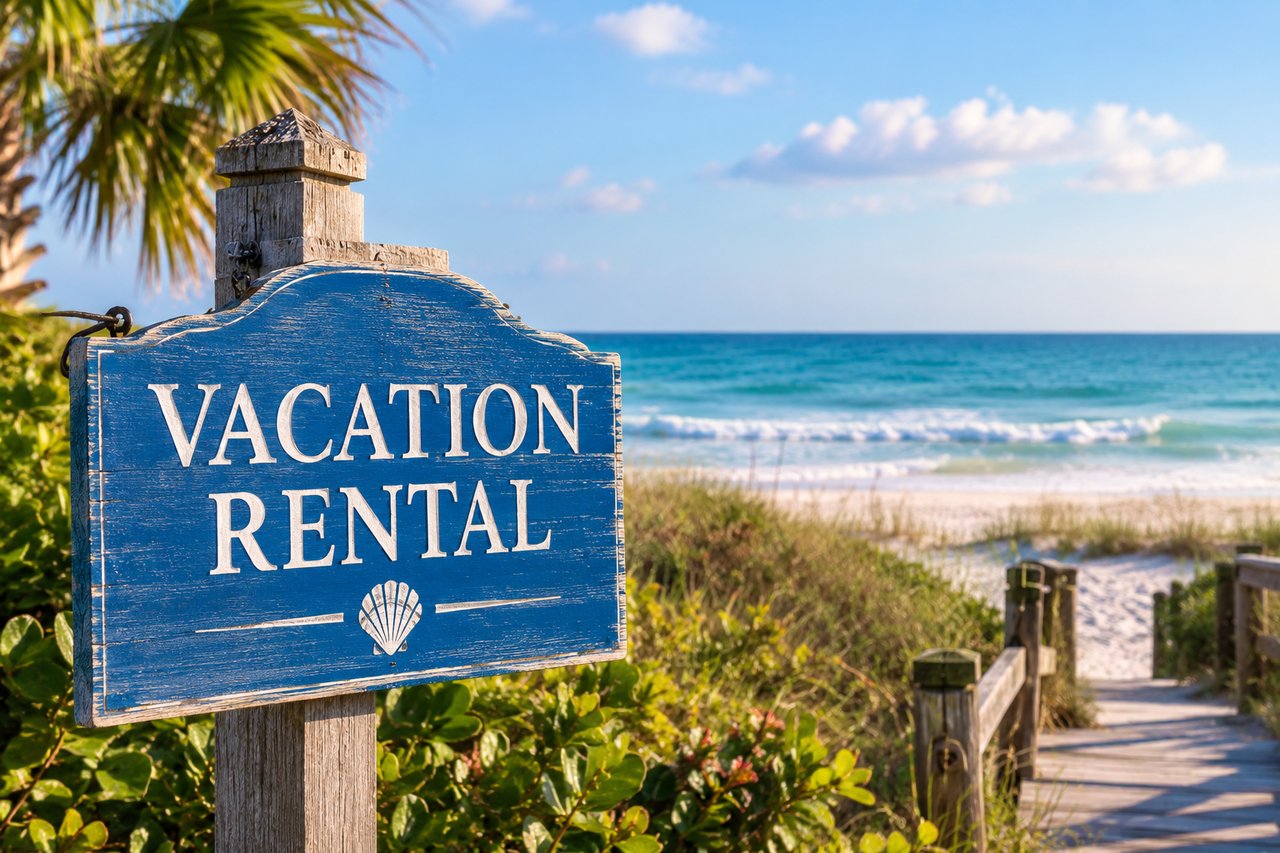
Vacation Rental Rules on Amelia Island: What Homeowners and Buyers Need to Know
Chad Feuerhahn October 6, 2026
Chad Feuerhahn October 6, 2026
Amelia Island is one of Northeast Florida's most popular coastal destinations, and vacation rentals are an important part of the island's tourism economy. For homeowners and buyers, however, the ability to rent a property as a short-term vacation rental depends on where the property is located and which local regulations apply.
If you're considering buying a home or condominium on Amelia Island as a vacation rental, it is important to understand the difference between properties inside the City of Fernandina Beach and those located in unincorporated Nassau County. HOA and condominium restrictions can also affect whether a property may be rented.
Yes, but not every property on Amelia Island can legally be used as a short-term vacation rental.
Within the City of Fernandina Beach, vacation and short-term rentals are classified as Resort Rentals. A property generally needs to qualify for and obtain a City of Fernandina Beach Resort Rental Dwelling Permit (RRDP) before it can be rented on a short-term basis.
The City's current rules state that properties must either be located in an R-3 zoning district or have qualifying grandfathered status in an R-1 or R-2 zoning district. Properties in other zoning districts generally have a minimum rental period of 30 days or more.
This is one reason buyers should never assume that a property can be used as a vacation rental simply because nearby homes are being rented.
If a property qualifies for short-term rental use within the City of Fernandina Beach, the owner must obtain a Resort Rental Dwelling Permit.
The City requires the property to meet specific requirements before the permit is issued. The permit is tied to the property and its eligibility under the City's zoning and resort-rental regulations.
The City also requires the resort rental to maintain its permit and comply with ongoing requirements.
One particularly important rule for vacation-rental owners is that the property's current RRDP number must appear in advertisements.
That includes online vacation-rental listings and other advertising.
The City specifically states that advertising a resort rental without a valid permit is prohibited and can result in enforcement action.
Some properties in R-1 and R-2 zoning districts may qualify for grandfathered status.
The City states that qualifying resort rentals that existed before October 3, 2000, the effective date of Ordinance 2000-28, may continue as legally nonconforming uses provided the applicable requirements have been maintained.
This grandfathered status is associated with the property address rather than the individual owner.
This can be an important consideration when purchasing an older Amelia Island property that is already operating as a vacation rental.
If you're considering buying a property specifically because of its existing rental history, it is important to verify the property's current permit and legal status rather than relying solely on information provided by a seller or listing advertisement.
The City has several ongoing requirements for permitted resort rentals.
A local contact person who is available 24 hours a day, seven days a week must be identified for the property.
The contact person must be able to respond to complaints and address violations within the time required by the City's regulations.
Resort rental properties are subject to a yearly life-safety inspection.
The City's current requirements allow the inspection checklist to be completed through the appropriate inspection process, including a state-licensed home inspector.
Owners of resort rental dwellings generally must participate in the City's roll-out/roll-back trash service.
Certain condominiums and multifamily properties using common-area dumpsters are exempt from this particular requirement.
If the property is part of a homeowners association or condominium association, the owner must also comply with the association's rules.
The City requires resort-rental owners to file with their association within 10 days of obtaining or renewing an RRDP.
This is an important point for buyers: a property being legally eligible for a City vacation-rental permit does not necessarily mean the HOA or condominium association allows short-term rentals.
Always review the association's governing documents and current rental restrictions before purchasing an investment property.
A City resort-rental permit is only part of the process.
Before applying for a Fernandina Beach Resort Rental Dwelling Permit, the City states that short-term rental properties must obtain the required state and county licenses.
The City's current guidance includes requirements involving:
The appropriate Florida lodging license is also required for a City resort-rental permit.
Short-term rentals are subject to applicable state and local taxes.
Nassau County collects a Tourist Development Tax, commonly referred to as the local "bed tax," on short-term rentals located in Fernandina Beach.
Depending on the rental arrangement and platform being used, owners may also have state sales-tax responsibilities. The City specifically requires applicants to document how applicable state sales taxes are being handled.
Because tax requirements can change, vacation-rental owners should confirm current requirements with the Florida Department of Revenue and Nassau County before beginning operations.
This is where Amelia Island vacation-rental rules can become confusing.
Amelia Island includes both property within the incorporated City of Fernandina Beach and property located in unincorporated Nassau County.
The City of Fernandina Beach's Resort Rental Dwelling Permit program applies to properties within the city.
Properties outside the city limits are subject to the regulations applicable to their location, including Nassau County regulations and any applicable zoning, HOA, or condominium restrictions.
That means the same vacation-rental rules do not necessarily apply to every property on Amelia Island.
Within the City of Fernandina Beach, properties that do not qualify for short-term resort-rental use generally have a minimum rental duration of 30 days or more.
The City's Code Enforcement guidance currently states that long-term rentals should be advertised for 29 nights or more, corresponding to a 30-day-or-longer rental period.
This distinction is important when evaluating properties marketed as investment opportunities.
If vacation-rental income is part of your reason for buying an Amelia Island property, don't simply look at the property's previous rental revenue.
Before making an offer, verify:
Confirm the property's current zoning and whether short-term rental use is permitted.
If the property is in Fernandina Beach and is being represented as an existing vacation rental, verify that the required permit is current.
Review the association's governing documents, rental restrictions, minimum lease periods, fees, and approval requirements.
Ask for documentation supporting claimed rental income rather than relying solely on projected numbers.
Vacation-rental properties may have different insurance considerations than owner-occupied homes.
Coastal properties can have significant differences in flood exposure and insurance requirements. Review the property's specific flood zone and elevation information.
Salt air, humidity, storms, and heavy guest turnover can create additional maintenance considerations for coastal properties.
For the right property and location, vacation rentals can be an attractive part of an Amelia Island real estate investment strategy.
However, the property's legal ability to operate as a vacation rental should be established before evaluating the investment potential.
A beautiful beach house isn't necessarily a legal short-term rental, and two properties only a few streets apart can have very different rental rules depending on their zoning, municipal boundaries, and association restrictions.
That's why understanding the regulations should be one of the first steps—not something you investigate after purchasing the property.
If you're considering purchasing a vacation rental on Amelia Island, I can help you evaluate the property from both a real estate and property-condition perspective.
As a local Broker Associate and Certified Home Inspector, I understand that buying a coastal property requires looking beyond the list price and projected rental income. Zoning, rental restrictions, insurance, flood exposure, construction, maintenance, and the property's location can all affect the long-term value of the investment.
If you're considering an Amelia Island vacation rental, Fernandina Beach investment property, or second home, contact me before making an offer so we can look at the property and its specific circumstances together.
Vacation-rental regulations, zoning requirements, taxes, and local ordinances can change. This article is intended as a general educational resource and should not be considered legal, tax, or regulatory advice. Before purchasing or renting a property as a vacation rental, verify the current requirements with the appropriate City of Fernandina Beach, Nassau County, and State of Florida agencies, as well as the property's HOA or condominium association.
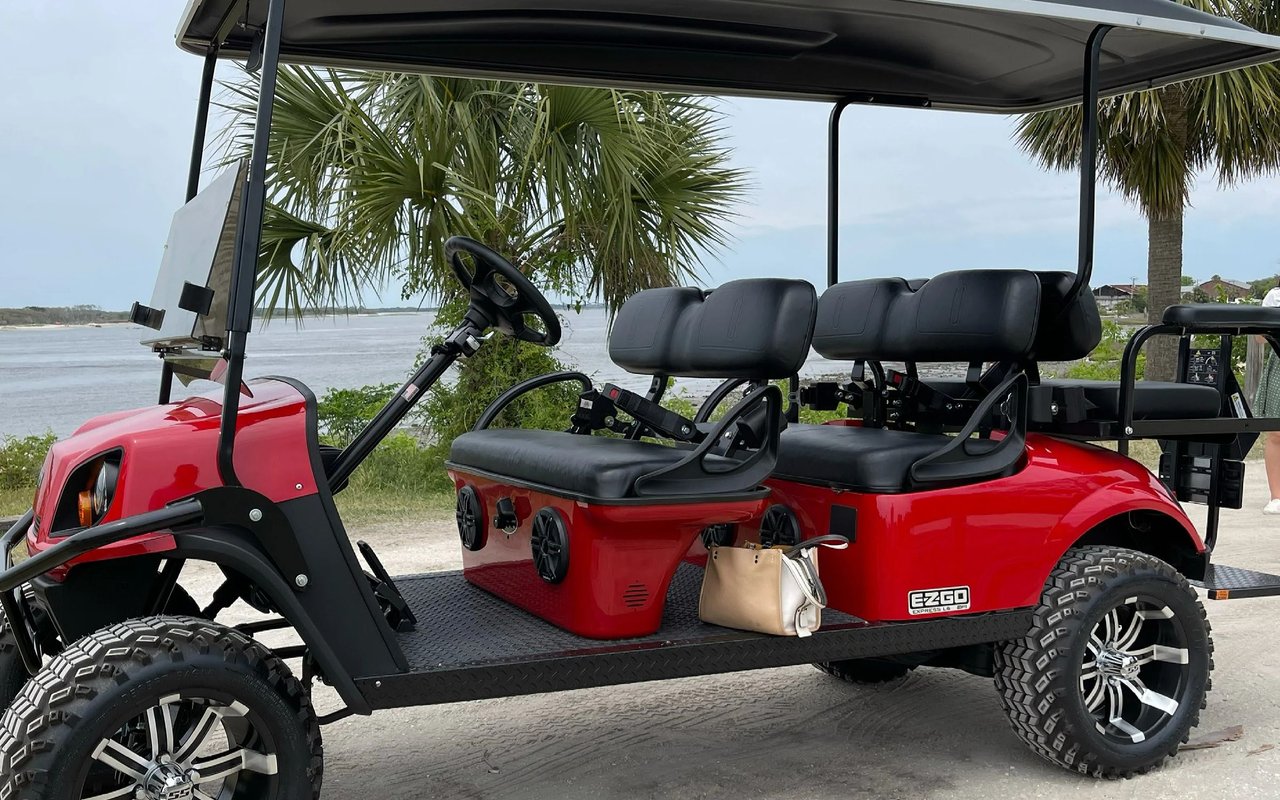
Understand the legal distinctions between golf carts and Low-Speed Vehicles (LSVs).
Combining deep local expertise, proven results, and professional home inspection knowledge to help buyers and sellers make confident, informed decisions throughout their real estate journey.

CHAD FEUERHAHN
316 Ash St.
FERNANDINA BEACH, FL 32034